Written by Dr. Adriana Leone, DMD, founder of Wall Street Dental Spa
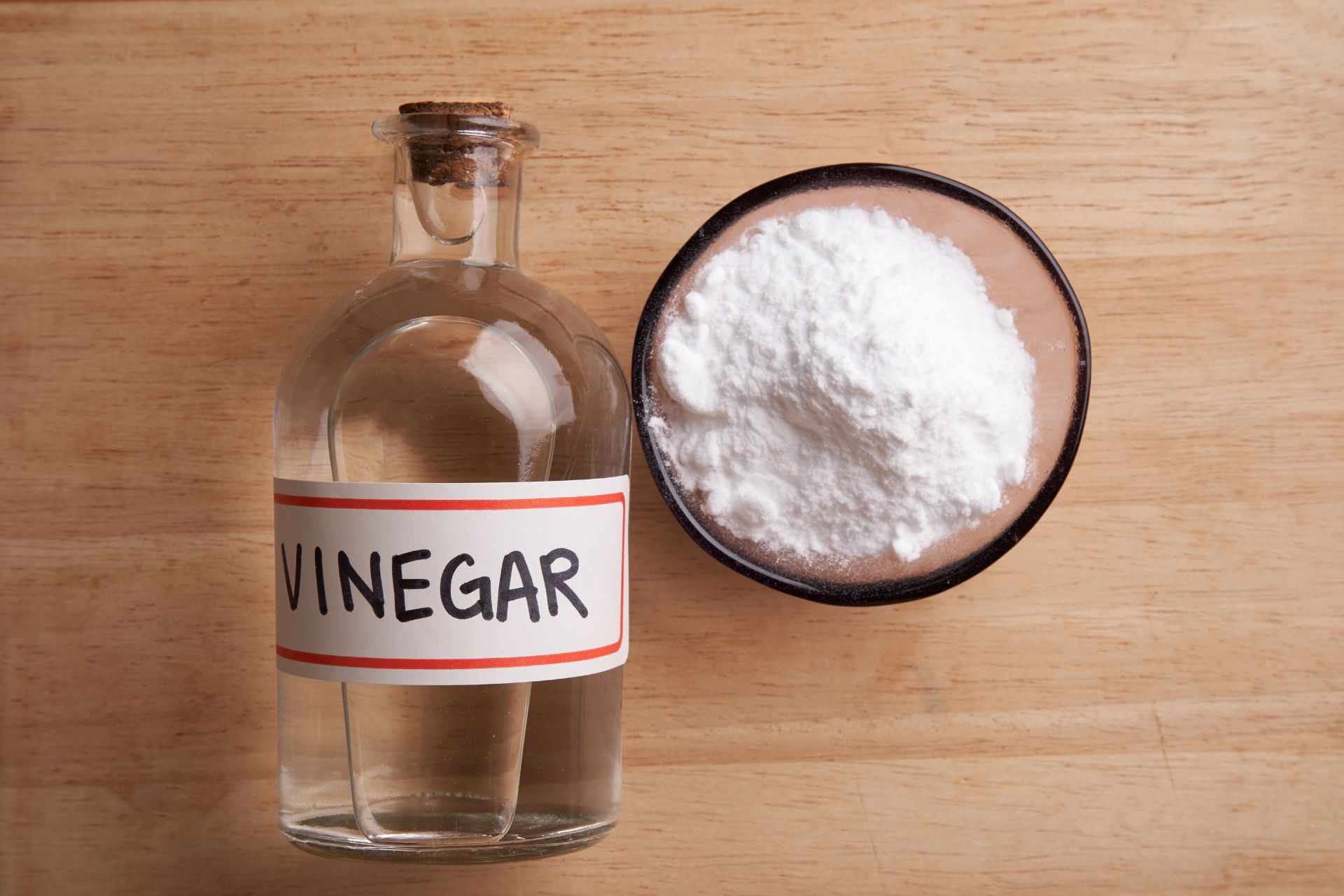
Vinegar lightens teeth in lab tests while softening the enamel surface, and salt is an abrasive with no bleaching effect on stains. Patients at my Financial District office bring up kitchen whitening methods regularly, usually after a video made one look harmless. I tell each of them that the lighter shade comes from enamel they will not get back.
| Method | Does it whiten? | What it does to enamel |
|---|---|---|
| White vinegar | Lightened enamel in a 2014 lab study | Caused the largest loss of hardness and the most surface change of the agents tested |
| Apple cider vinegar | Lightened enamel in the same study | Lowered hardness compared with water |
| Salt as a scrub | Contains no bleaching agent and can scrape off some surface stain | Wears the surface by abrasion |
| Salt and vinegar together | Adds scrubbing to the acid, with no extra bleaching | Scrubs a surface the acid has already softened |
| Peroxide whitening (strips, trays, in-office) | Breaks down colored compounds inside the tooth | Temporary sensitivity and gum irritation are the most common side effects |
Vinegar lightens enamel by dissolving part of its surface, which leaves the tooth softer than it was.
A 2014 lab study placed cow enamel in white vinegar, apple vinegar, 30% hydrogen peroxide, or water for 30 seconds to 3 minutes. All three agents lightened the enamel and lowered its hardness, and white vinegar did the most harm to hardness and surface structure.
Acidity explains the result. Vinegars tested in a separate lab study in the journal Clinical Laboratory measured between pH 2.7 and 3.95, and two of them removed about 20% of the mineral from the outer enamel layer during soaks of four to eight hours.
Both studies used extracted teeth in a lab, so neither one tells us how many rinses it takes to harm a living tooth. The two studies do agree on the direction.
Apple cider vinegar lightened enamel in the 2014 lab study, and it lowered enamel hardness compared with water. Of the three agents tested, apple vinegar affected hardness the least, which still leaves it harder on teeth than doing nothing. The American Dental Association lists vinegar among home whitening methods with open questions about safety.
White vinegar produced the largest color change in the 2014 lab study and also the largest loss of enamel hardness. Under an electron microscope, the white vinegar samples showed the most surface change of any group. A whiter shade that arrives with a rougher, softer surface is a poor trade for a tooth you plan to keep.
Salt scrapes the surface of a tooth and contains no bleaching agent, so any change in color comes from abrasion.
The American Dental Association’s review of whitening describes a report on a charcoal and table salt mixture that was abrasive and ineffective. Teeth in that report had a yellow cast, which the authors put down to enamel being brushed away, and some front teeth had deep worn hollows.
Whitening toothpastes also rely on abrasives to lift surface stain, according to the same ADA review. A toothpaste carrying the ADA Seal of Acceptance has been tested for safety when used as directed. Salt from a shaker has had no such test.
Brushing with salt can scrape away some surface stain, and salt has no ingredient that bleaches a tooth. The one report the American Dental Association cites on a salt mixture found it abrasive and ineffective, with yellower teeth afterward. Stain that sits on the surface comes off more predictably with a professional cleaning.
Salt and vinegar together are harder on enamel because the acid softens the surface and the salt then scrubs that softened layer.
The American Dental Association’s overview of dental erosion gives the order of events. Acid softens the enamel surface first, and the softened layer is lost afterward.
Think of a varnished wood table. Wiping the table with a solvent softens the finish, and sanding straight afterward strips the finish far faster than sanding alone would. Vinegar plays the solvent here, and salt is the sandpaper.
Brushing with toothpaste right after the mixture, which older advice recommends, adds another round of scrubbing on the same softened surface.
Salt and vinegar can make teeth look lighter for a short time, because the acid strips surface mineral and the salt scrapes off stain. Neither ingredient reaches the colored compounds inside the tooth the way peroxide does. The price is enamel, and the American Dental Association describes erosive enamel loss as irreversible.
Teeth can look more yellow after acid or abrasive whitening because thinner enamel lets the yellow dentin underneath show through.
Enamel is the pale, translucent outer shell of the tooth. Dentin, the layer under it, is naturally yellower. As enamel thins, more of that yellow shows, which is the same reason the ADA gives for teeth darkening with age.
The first week can fool you. Stain comes off, the tooth looks brighter, and the method seems to be working. In my chair I see the later stage, with front teeth that look unusually smooth and glossy, react sharply to cold water, and sit a shade darker than when the patient started.
Lost enamel does not regrow. Fluoride and saliva can harden enamel that is still in place, which I cover in how to remineralize teeth, and neither one can rebuild a layer that has been scrubbed off.
Vinegar can lift some surface stain, and it cannot remove yellow that comes from inside the tooth. Yellowing caused by thin enamel gets worse with acid, since acid thins enamel further. A dentist can tell you which kind of yellow you have, and the answer decides whether a cleaning, whitening, or a restoration makes sense.
Stop the method, rinse with plain water, and go back to a soft-bristle brush with fluoride toothpaste.
One or two tries is a different situation from months of daily use. Erosion builds with how often and how long acid sits on the teeth, according to the American Dental Association.
The ADA’s advice after any acid exposure is to rinse with water and to hold off on brushing right away, since a softened surface wears faster under a brush.
Call the office if:
An exam is the quickest way to find out if your enamel has changed.
Peroxide is the ingredient that whitens teeth, and it comes in drugstore strips, dentist-made trays, and in-office treatment.
Peroxide works by oxidation. Hydrogen peroxide and carbamide peroxide pass through enamel and break up the colored compounds inside the tooth, according to the American Dental Association. Vinegar and salt only reach the outside.
Peroxide has side effects too. The ADA names temporary tooth sensitivity and gum irritation as the most common ones, and both show up more often at higher strengths.
Surface stain from coffee, tea, or red wine often responds to a professional cleaning alone. Over-the-counter strips are the next step up, and I cover whether whitening strips work in a separate post. Custom trays and in-office treatment use stronger gel under a dentist’s supervision, which is how we handle professional teeth whitening in the Financial District.
Whitening has limits. Only natural teeth change color, so crowns and fillings stay the shade they were. Discoloration that whitening cannot shift is usually a job for veneers or cosmetic dental bonding.
A patient with a wedding in three weeks and a patient with twenty years of coffee stain need different plans, and the exam is how I tell which plan fits.
Dentists whiten teeth with peroxide gel, either applied in the office or sent home in trays made to fit your teeth. An exam comes first to find the cause of the discoloration and to note any crowns or fillings, since those will not change color. Temporary sensitivity is the most common side effect.
Which whitening option suits you depends on the kind of stain you have, and a consultation is where we sort that out.
Brushing with vinegar and baking soda still puts an acid and an abrasive on enamel. The American Dental Association files acidic kitchen ingredients paired with baking soda under whitening fiction, and warns that acid can wear enamel away when it is used to scrub teeth. A whitening toothpaste with the ADA Seal is the tested alternative.
Vinegar changed the color of enamel within minutes in one 2014 lab study, and those same minutes lowered enamel hardness. A timeline for safe home use does not exist, because the lightening and the harm come from the same reaction. Whitening strips with the ADA Seal take longer and have been tested for safety.
Frequent contact with acidic drinks is a known risk factor for dental erosion, according to the American Dental Association. Its guidance for any acidic drink is to avoid swishing or holding the liquid in your mouth and to rinse with water afterward. Ask your dentist to check for early erosion if apple cider vinegar is a daily habit.
Enamel does not grow back once it is gone. The American Dental Association describes erosive tooth wear as progressive and irreversible. Fluoride can help harden weakened enamel that is still in place, and a dentist can cover lost areas with bonding or another restoration when sensitivity or appearance becomes a problem.
Whitening gel changes the color of natural teeth only. Crowns, veneers, bonding, and fillings keep their original shade, which can leave a mismatch after treatment. Tell your dentist about any restorations on your front teeth during the whitening exam, so the plan can include matching or replacing them afterward.
Dr. Adriana Leone, DMD, is the founder of Wall Street Dental Spa in Manhattan’s Financial District. She graduated from Tufts University School of Dental Medicine in 1999 and opened her boutique practice in 2005. She built Wall Street Dental Spa around calm, judgment-free care for busy New York professionals, with general, cosmetic, and restorative dentistry under one roof.
