
If you’re asking how does Invisalign work, you’re probably trying to picture what actually happens, not what a brochure says happens.
You want to know how plastic trays move real teeth.
How long it takes.
What it feels like day to day.
And whether it really works as well as people claim.
Let’s walk through it plainly, step by step, without hype.
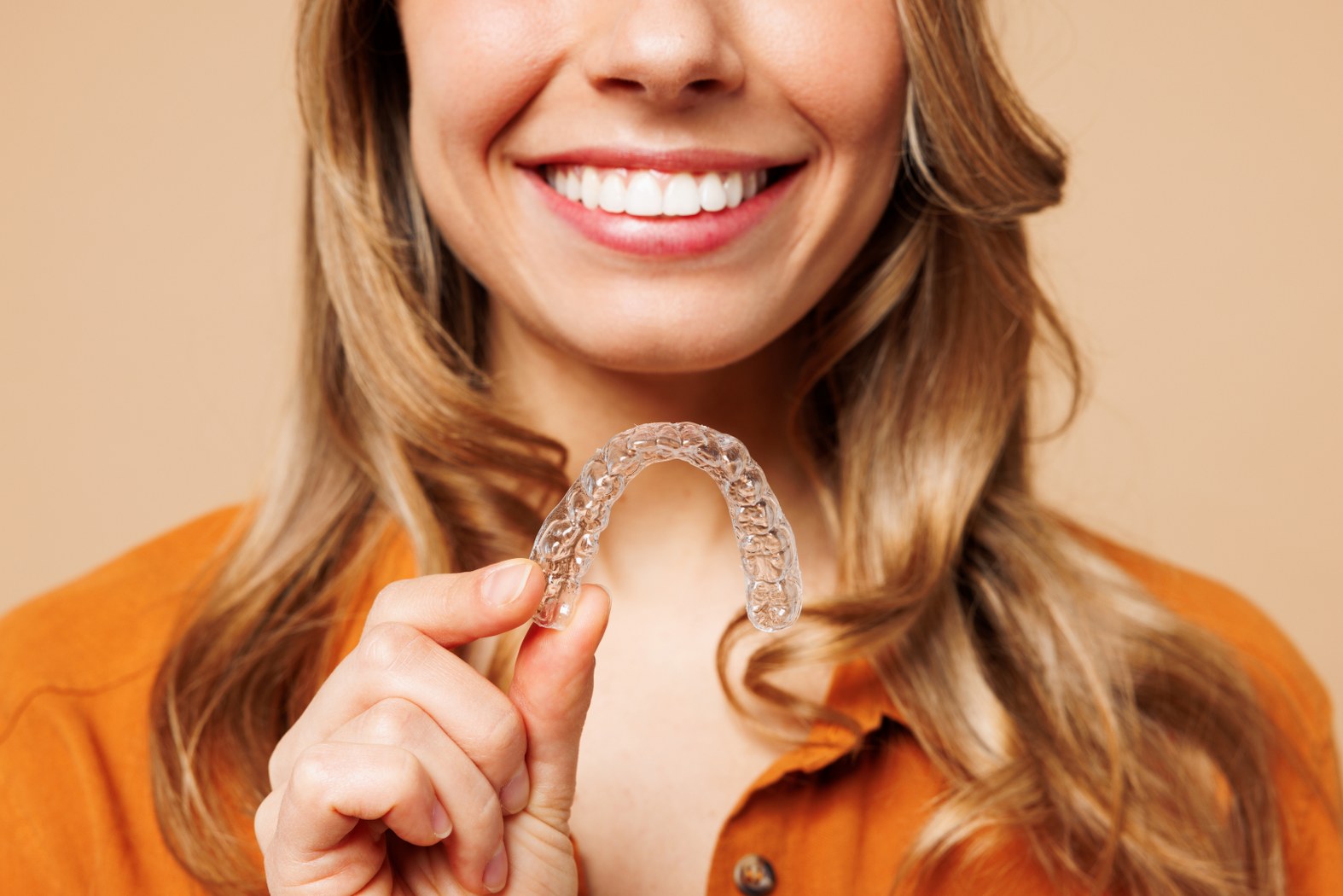
Invisalign straightens teeth using a series of clear aligners, not braces. Each aligner is slightly different and designed to move your teeth a small amount at a time. Think of it like this:
No wires. No brackets. Just controlled, gradual movement.
Before you ever wear an aligner, everything is mapped out digitally.
Using advanced 3D imaging, your dentist:
This planning phase determines how Invisalign works for your specific bite, not a generic template.
You can usually see a preview of how your teeth are expected to move before treatment even begins.
Once the plan is finalized, your aligners are created.
Each set is designed to:
You typically wear each aligner for 1 to 2 weeks before switching to the next set.
This is how Invisalign works without pain or sudden pressure. The movement is slow, steady, and controlled.
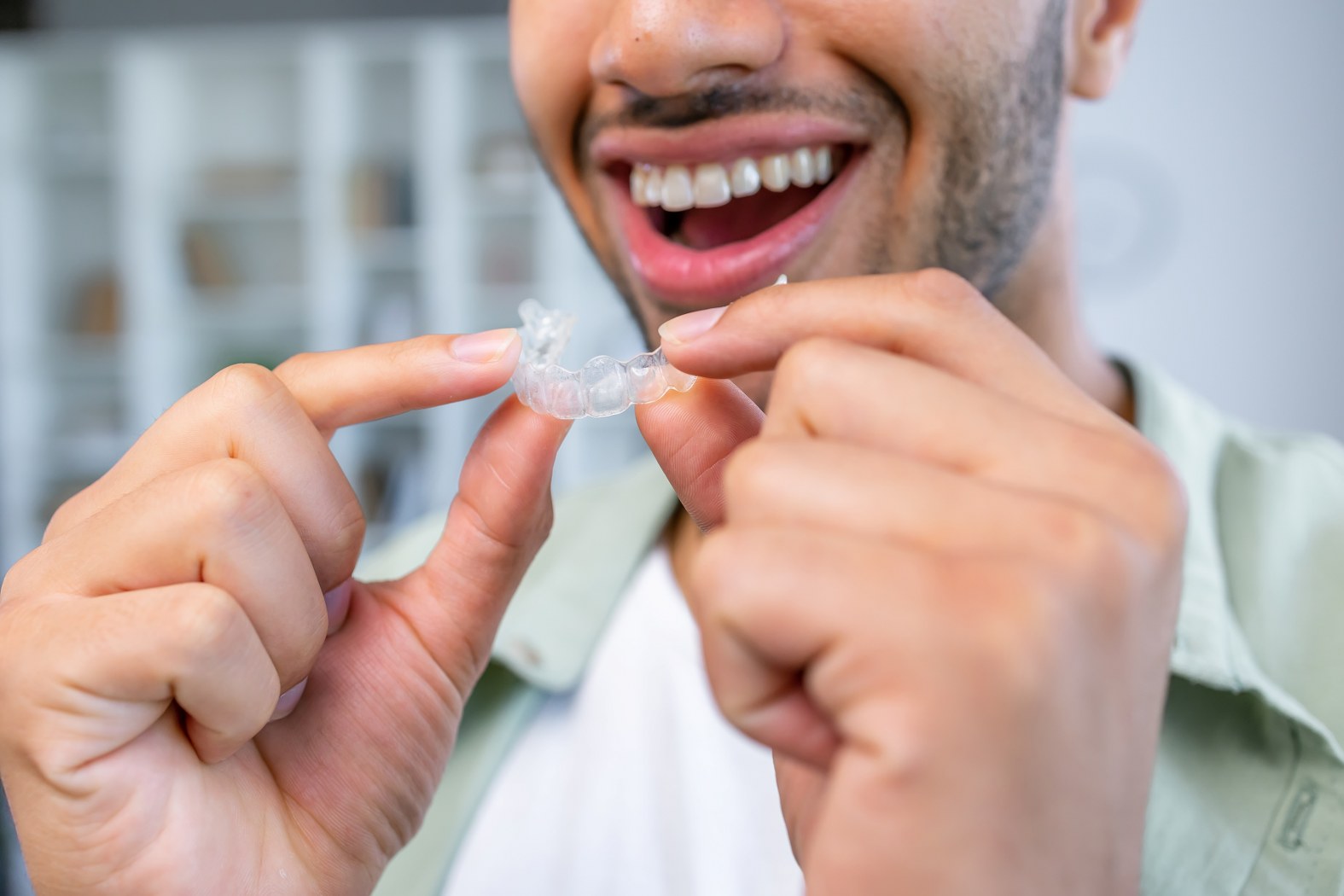
This is the part people care about most.
You wear Invisalign 20 to 22 hours per day. That means:
They are clear, smooth, and much less noticeable than braces. Most people around you won’t realize you’re wearing them unless you point it out.
Yes, and this is where attachments come in.
Attachments are small, tooth-colored shapes temporarily bonded to certain teeth. They help aligners grip and guide movement more precisely.
They:
Without attachments, Invisalign would be limited to very minor corrections.
Invisalign works best for mild to moderate orthodontic issues, including:
Whether Invisalign is right for you depends on bite complexity, not age. Adults and teens both benefit when treatment is planned correctly.

Most Invisalign treatments last 6 to 18 months.
Timeline depends on:
Skipping wear time is the fastest way to slow results. Invisalign works when you work with it.
You may feel pressure for the first day or two with a new aligner. That pressure means the aligner is doing its job.
Most patients describe it as:
No wires poking your cheeks. No emergency visits for broken brackets.
Related Reading: How Long Does Invisalign Hurt?
Both move teeth biologically the same way. Invisalign just delivers that movement more discreetly.
Teeth naturally want to shift back. That is true for any orthodontic treatment.
After Invisalign:
Retention is what keeps Invisalign results long-term, not the aligners alone.

Invisalign is a tool. Results depend on how it is used.
At Wall Street Dental Spa, Invisalign planning focuses on:
That approach is often the difference between “my teeth look straighter” and “my bite actually feels better.”
No. Aligners should be removed before eating to prevent damage and staining.
Some people notice a slight lisp at first. It usually fades within a few days.
They can if exposed to coffee, wine, or soda. Removing them before drinking helps.
Your dentist will guide you on whether to move forward or temporarily wear a previous set.
It works by combining digital precision with consistent daily wear. No shortcuts. No magic. Just controlled movement guided by planning and discipline.
If you want straight teeth without the look or feel of braces, Invisalign works, when it’s done right and worn the way it’s meant to be.
